AOKA: Where Stillness Meets Impact
Lauren Santos · March 20, 2026
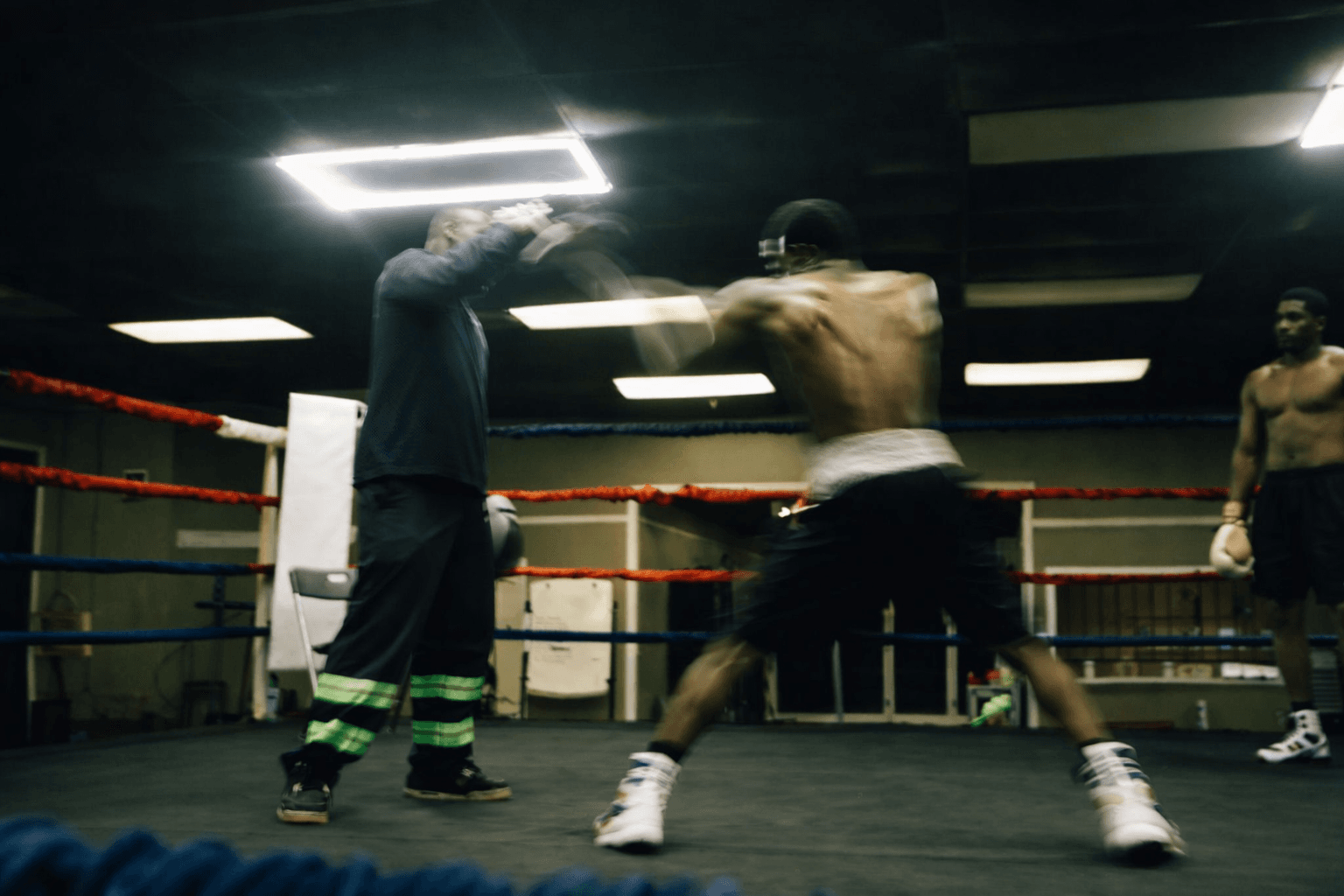
There’s a moment in every fight—just before the first exchange—when everything goes quiet. Breath slows, shoulders drop, and the noise of the world collapses into something singular. AOKA lives in that moment.
A young entrant into the combat space, AOKA doesn’t position itself as another fight brand chasing knockouts or bravado. Instead, it leans into the overlooked: restraint, repetition, and the quiet craft behind every strike. Born from a desire to bring more artistry into combat sports, the brand frames fighting not as chaos, but as a form of meditation in motion.
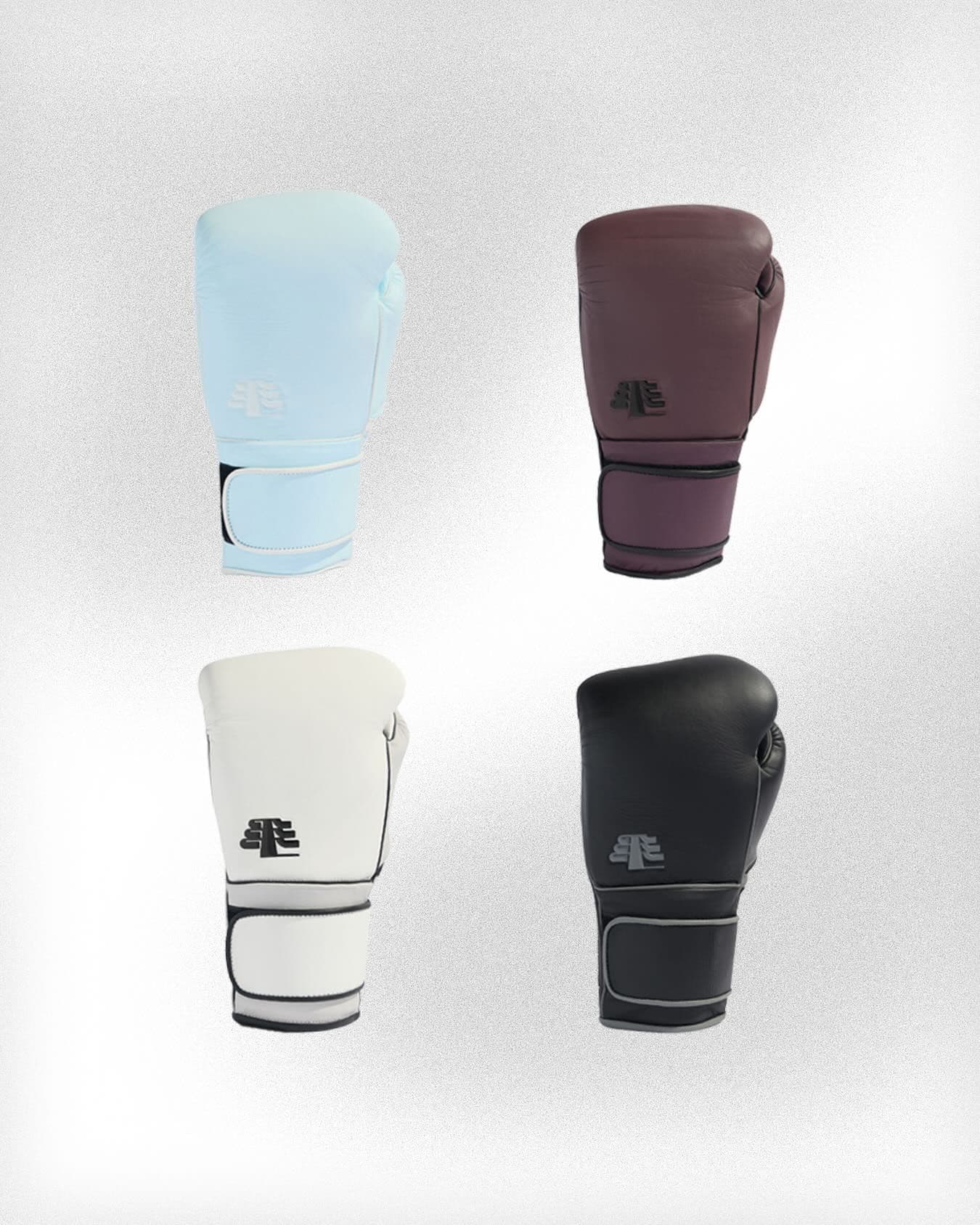
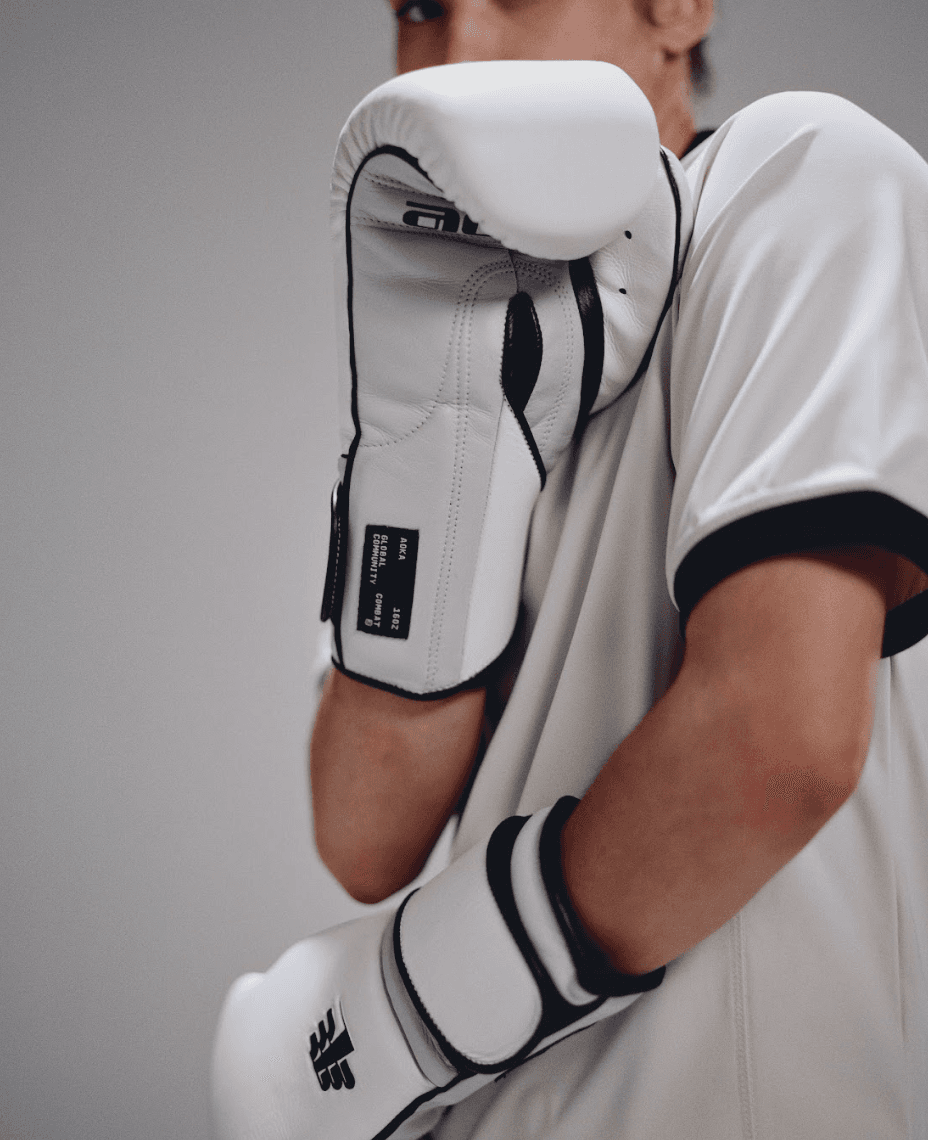
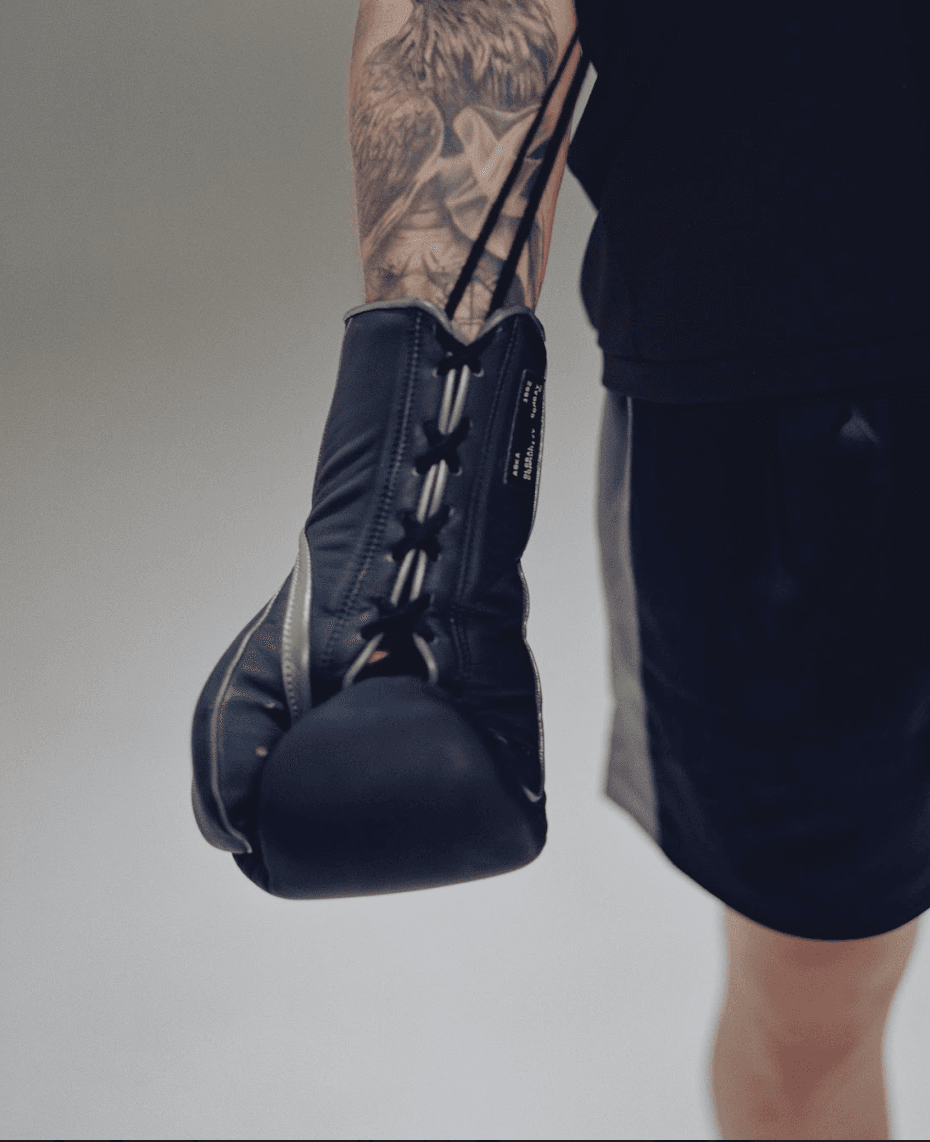
At first glance, the product offering is focused—boxing gloves rendered in a tight palette of black, white, powder, and oxblood. But the simplicity is deceptive. Each pair feels considered, almost architectural, designed less for spectacle and more for rhythm. The kind of gear that doesn’t demand attention, but earns it over time.
The Discipline of Design
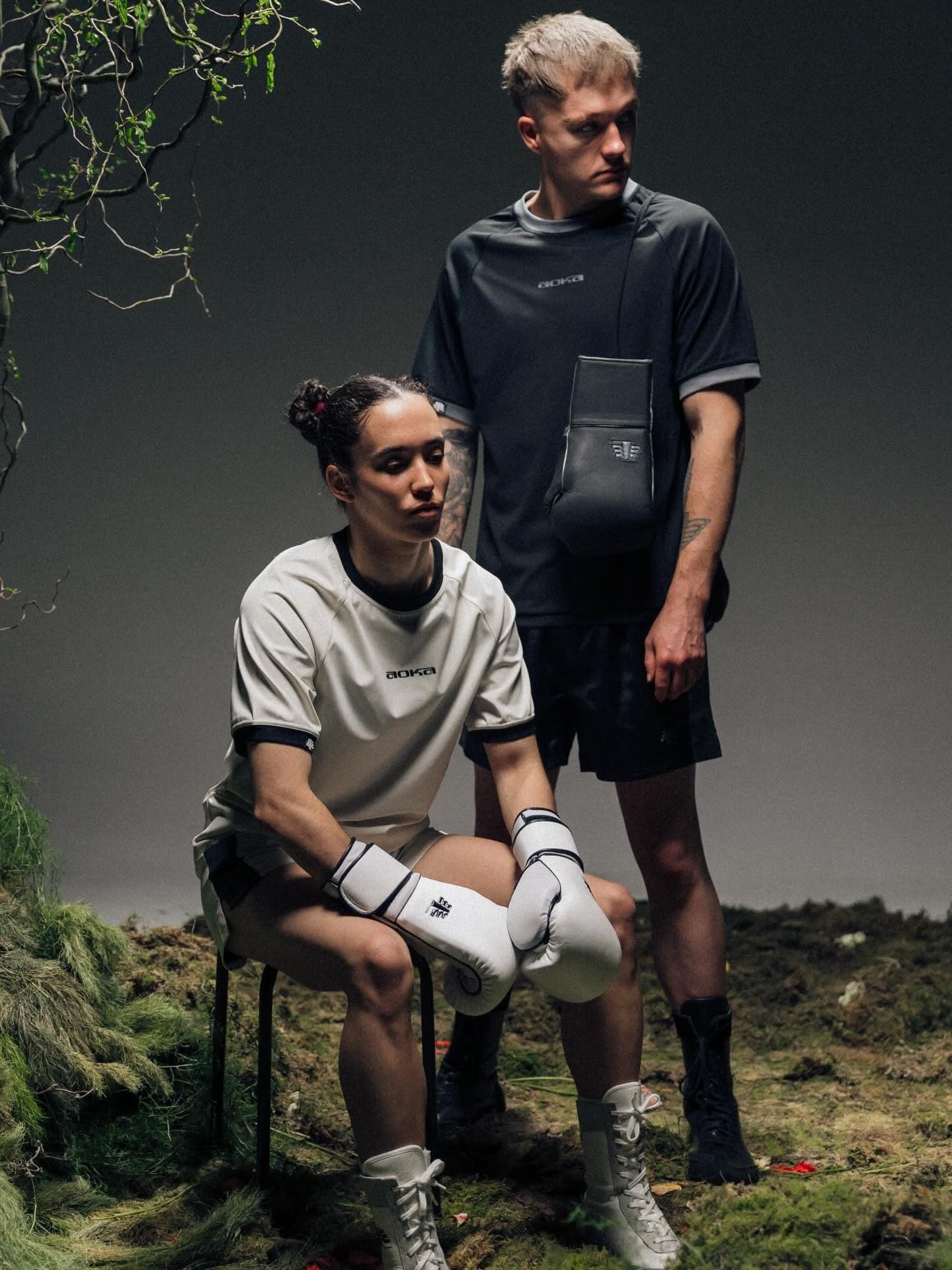
Where many combat brands borrow from streetwear or hype cycles, AOKA moves in the opposite direction—toward reduction. There’s a clarity to the design language that echoes a philosophy of doing one thing, exceptionally well.
This is gear as ritual object. Gloves that feel like an extension of the body rather than equipment. The emphasis is not just on performance, but on presence—how you show up to the work.
AOKA’s ethos circles around a simple idea: fighting is not just about power, but about awareness. The small adjustments. The technical precision. The repetition of fundamentals until they become instinct. It’s a mindset that values flow over force—what the brand calls a meeting point of “movement and stillness.”
A Different Type of Fight Culture
There’s a growing shift in how people approach training—less ego, more intention. AOKA slots naturally into that cultural current. It’s less about highlight reels and more about the hours no one sees.
The brand speaks to a global community of practitioners who understand that progress is incremental, often invisible. Fighters, yes—but also runners, surfers, climbers. Anyone chasing that elusive state where effort dissolves into flow.
Even the surrounding ecosystem hints at this broader vision: curated playlists, athlete stories, and a language that frames training as a lifelong practice rather than a finite goal.
Becoming Effortless
AOKA’s journal leans heavily into a paradox: effortlessness is not the absence of effort, but the result of it.
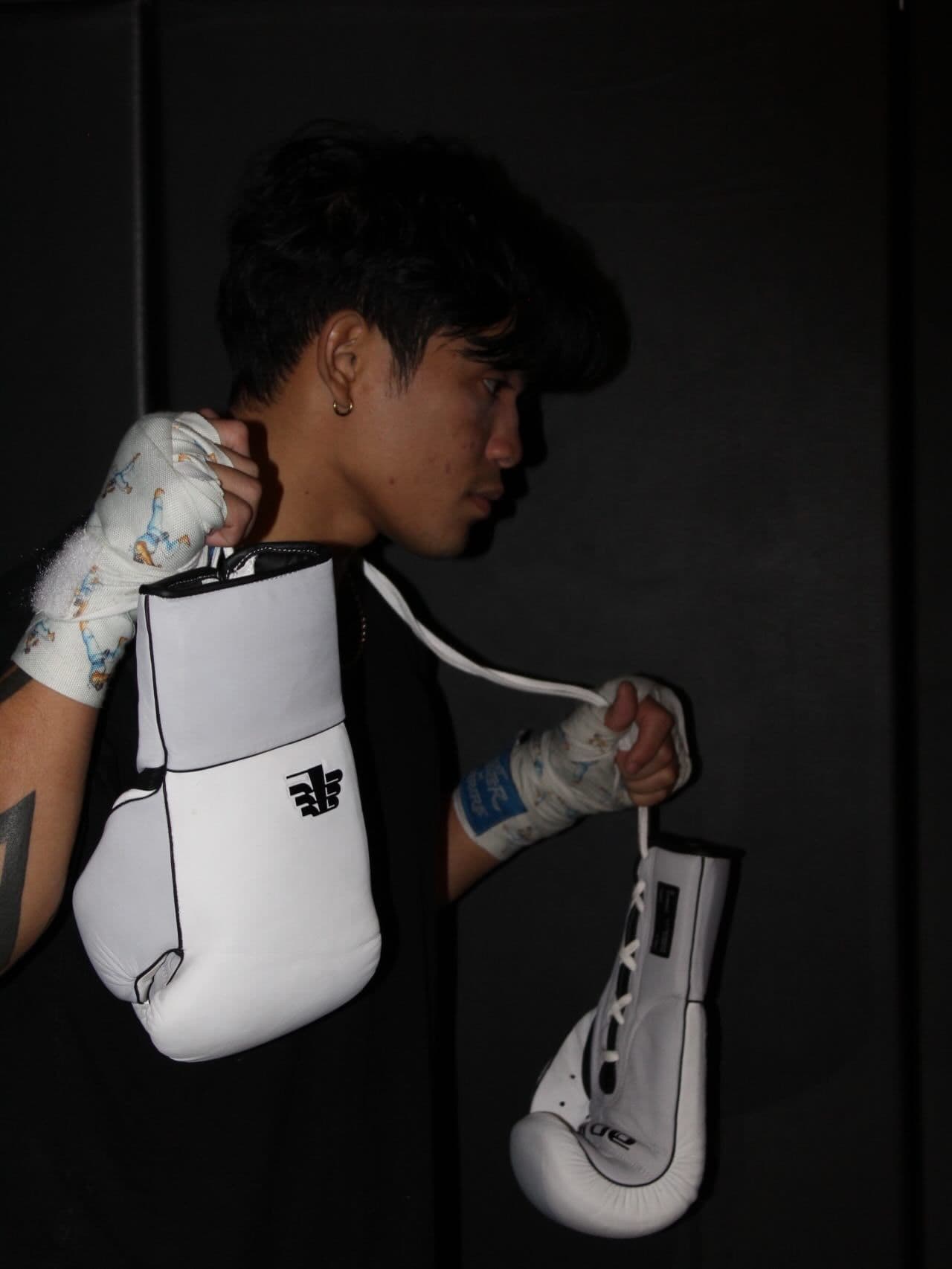
In Becoming Effortless, the brand reframes mastery as something earned through repetition so deep it dissolves conscious thought. The idea isn’t to try harder—but to move beyond trying altogether. To arrive at a state where action feels inevitable rather than forced.
It’s a familiar concept across disciplines—surfing, climbing, distance running—but here it’s applied to striking. The hours on the bag, the drills, the missed timing—all of it compresses into a kind of embodied knowledge. Eventually, movement happens without negotiation.
What AOKA suggests is simple: effortlessness is not a shortcut. It’s what remains after friction has been worn down.

Stillness in Motion
In Stillness in Motion (BTS), that idea expands into something more visual. The campaign imagery—and the thinking behind it—focuses on contrast: tension and release, control and flow, movement anchored by an internal quiet.
The thesis is subtle but sharp. Stillness isn’t the absence of motion—it’s what allows motion to be precise.
AOKA treats stillness as a form of awareness. The kind that shows up in breath control, in timing, in the micro-adjustments that define high-level technique. You don’t eliminate movement—you refine it until only what’s necessary remains.
The result is a kind of economy. No wasted energy. No excess expression. Just clarity.
Practice Over Performance
What emerges across AOKA’s product and writing is a consistent worldview: training as a long-form practice rather than a short-term outcome.
The brand doesn’t speak in the language of wins or losses. It speaks in cycles—of repetition, refinement, return. The same movements, revisited over years, slowly becoming something else.
There’s a humility to it. An understanding that progress is rarely visible in the moment. That most of the work happens quietly, without validation.
And that’s where AOKA finds its identity—not in the fight itself, but in everything that surrounds it.
The Long Fight
AOKA is still early in its journey. Small team, limited drops, a sense that things are being built in real time. But that’s part of the appeal. There’s no illusion of polish—only a commitment to getting better, slowly and deliberately.
Less concerned with standing out than with staying aligned. Less interested in scale than in depth.
Where boxing is often defined by aggression, AOKA offers something quieter: a recalibration. A reminder that the most meaningful progress doesn’t come from throwing harder punches, but from understanding why you throw them at all. In a category that often celebrates intensity, AOKA offers restraint. In a culture that rewards output, it emphasizes process.
Because the real shift isn’t from effort to ease.
It’s from noise to awareness.
And somewhere in that transition—between stillness and motion—you begin to understand what the work was always about.
Because in the end, the fight isn’t just outward. It’s internal. And the real work happens long before the bell.
Shop AOKA's latest lace-up and hook-and-loop gloves on OU today.